

Connecting the Costs
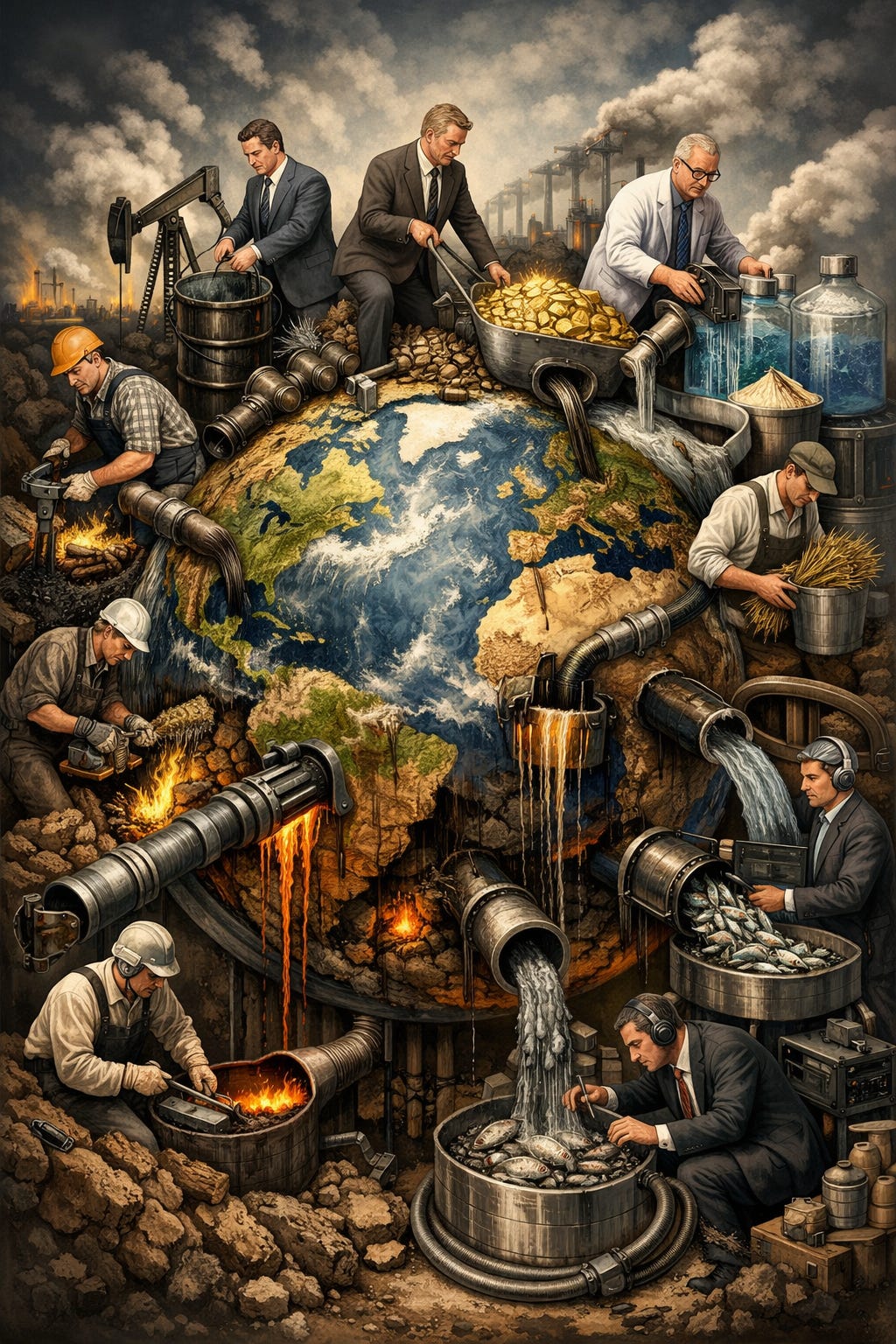
So I asked a different question last night.
When U.S. leadership shifts direction, what does that actually cost people in their daily lives, here and across the world?
Not policy. Not headlines. Daily life.
The following are my answers:
ENERGY (EVERYDAY EFFECTS)
Higher fuel prices for personal vehicles
Increased cost of public transportation
Longer wait times for fuel in some regions
Rolling power outages in energy-dependent countries
Reduced heating or cooling usage due to cost
FOOD (GLOBAL DAILY IMPACT)
Higher grocery prices across multiple countries
Smaller portions or product shrinkage
Restaurants raising prices or cutting menu items
Imported foods becoming scarce or inconsistent
Farmers reducing production due to input costs
WORK & BUSINESS
Small businesses raising prices or reducing hours
Delivery services charging more or slowing down
Fewer shipments arriving on time
Employers cutting costs, freezing hiring, or reducing staff
Gig workers affected by fuel and demand fluctuations
TRANSPORTATION & TRAVEL
Airline ticket prices rising globally
Flights rerouted, delayed, or canceled
Longer travel times due to avoided airspace
Shipping delays affecting personal purchases
Increased cost of moving goods and people
GOODS & SUPPLY
Everyday items taking longer to arrive
Periodic shortages of specific products
Higher prices for imported goods
Limited availability of certain materials or parts
Retailers reducing inventory or variety
MONEY & STABILITY
Inflation pressure in multiple countries
Savings losing purchasing power
Currency fluctuations affecting imports and wages
Increased cost of borrowing in some regions
People delaying large purchases
HOUSING & LIVING COSTS
Rent increases tied to overall inflation
Higher utility bills
Increased maintenance and construction costs
Slower housing development due to material costs
DIGITAL & SERVICES
Slower or disrupted global logistics systems
Intermittent service disruptions tied to cyber activity
Increased security measures in financial systems
Delays in international payments or transfers
MIGRATION & FAMILY LIFE
Workers abroad sending less money home due to instability
Families delaying relocation or travel
Evacuations or sudden returns in affected regions
Separation of families due to travel disruptions
PUBLIC SYSTEMS
Governments reducing or delaying public services
Increased cost of running schools, hospitals, and transit
Infrastructure strain in energy and transport systems
Aid and relief programs stretched thinner
SOCIAL / DAILY BEHAVIOR SHIFTS
People driving less to save fuel
Households cutting back on spending
Businesses shortening hours to reduce costs
Increased reliance on local goods over imports
More cautious financial behavior
SIMPLE GLOBAL REALITY
Life costs more
Things move slower
Options become limited
Systems feel tighter
People adjust downward
These are not isolated effects.vThey are the downstream cost of how power is used, how systems are steered, and how decisions are made.
When direction changes at the top, this is where it lands.
I cannot disagree with your conclusions above. However, there is one conclusion that could be included in your list, an optimistic conclusion:
People become more resourceful. When focused, that creativity can lead to change.