

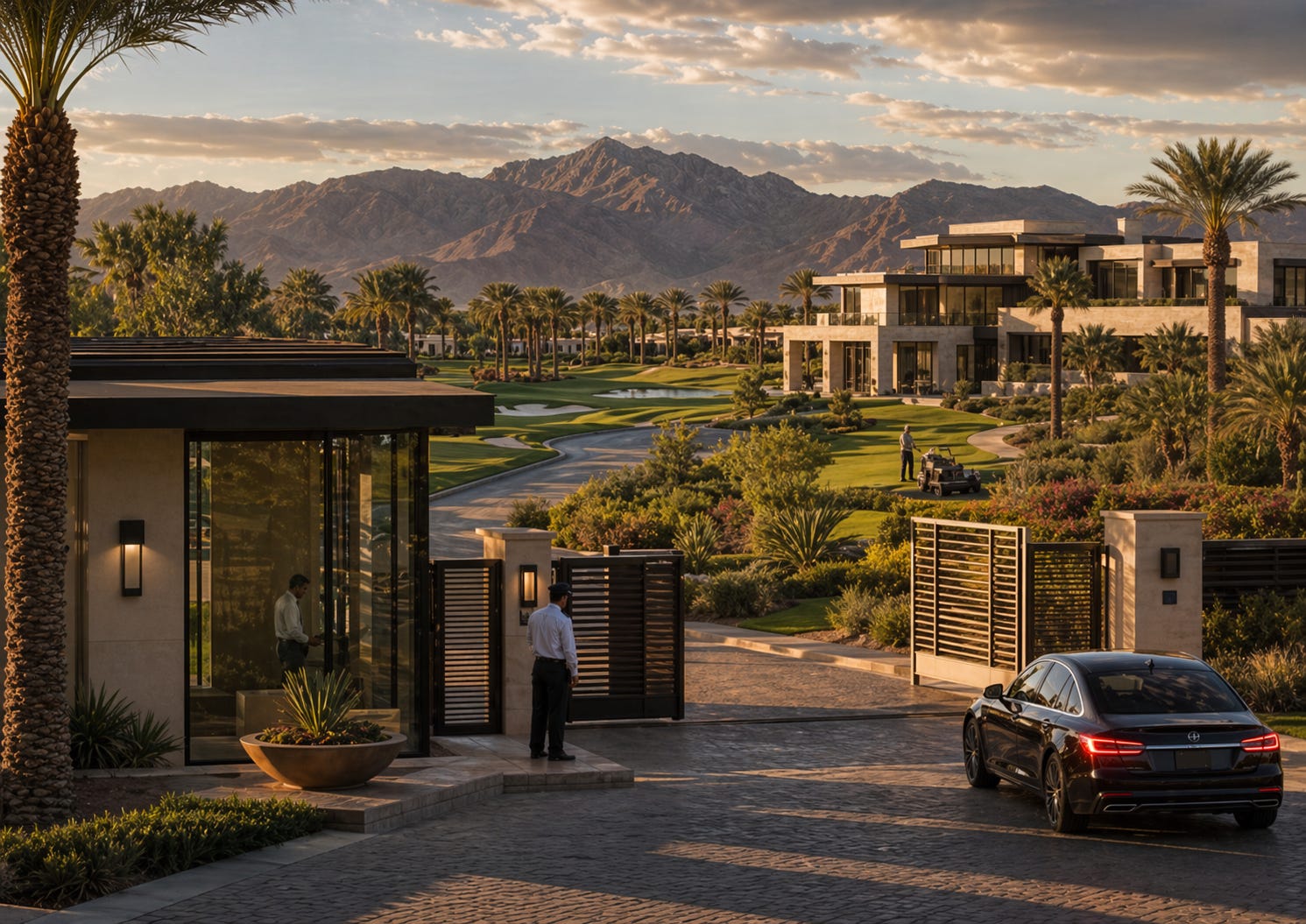
The real privilege of wealth is not comfort. It is distance from consequence.
Distance from the labor that sustains the lifestyle. Distance from the rules imposed on everyone else. Distance from accountability when harm is done. Distance from the human cost of appetite, neglect, indulgence, cowardice, and contempt.
I have seen what gets called elite protection. Private medics. Former military. Former SWAT. Former law enforcement. Men hired to project discipline, readiness, discretion, and order. The language around them is always the same. The best. Highly trained. Professional. Trusted.
But money does not buy character. It buys the performance of standards around people who often do not live by any.
Behind the gates, I did not see refinement. I saw compromise, ego, selective enforcement, tolerated vice, and absent leadership. Workers expected to absorb disrespect as part of the job.
Men with serious moral and professional stains still carried as professionals because the image mattered more than the truth. Leadership detached enough to call itself oversight while barely knowing what was happening on the ground. Rules enforced when convenient, ignored when wealth wanted something else.
And the residents were no better. This is one of the great lies of class in America, that wealth reflects discipline, ethics, maturity, restraint, or superiority. It does not. Often it reflects insulation.
Adults living in excess while demanding service. Men old enough to know better using status, access, and underpaid labor to blur lines for their own gratification. Families treating staff space, staff time, and staff dignity as expendable.
Parents providing risk, tolerating chaos, then looking for someone lower on the ladder to blame when the consequences finally arrived. Children learning the culture exactly as it was lived.
Take what you want. Break what blocks you. Let someone else clean it up. Come back after repair and do it again. Shared space treated as private entitlement. Other people’s labor treated as background scenery.
That is the distance wealth buys. Not just gates, not just property, not just privacy. It buys removal from ordinary proportion. It buys the ability to treat inconvenience as an insult, workers as acceptable targets, and accountability as something meant for other people.
You can see it in the architecture. Comfort built for members, improvisation built for employees. Parking, space, access, and dignity arranged according to status.
Workers essential enough to run the place, but never important enough to be properly housed inside it. People making the system function from closets while those at the top glide through a world designed to keep friction away from them.
And when friction does appear, even briefly, the truth comes out fast. A gate that does not open quickly enough. A process that takes seconds too long. A boundary. A correction. A limit. Suddenly the performance drops, and what is underneath shows itself.
Rage. Obscenity. Contempt. The worker becomes the target because the worker is near, and wealth has taught too many people that proximity to service means permission to degrade.
That is what this country keeps getting wrong.
We are trained to call this success. We are taught to admire the houses, the cars, the security details, the exclusivity, the controlled beauty of it all. But too often what sits underneath is not excellence. I
It is appetite buffered by money, disorder hidden by staffing, exploitation softened by polished language, and moral collapse protected by distance.
This country does not just tolerate that lifestyle. It staffs it, protects it, cleans it, feeds it, excuses it, and teaches everyone else to call it aspiration.
The real privilege of wealth is not luxury.
It is the distance from consequence.