

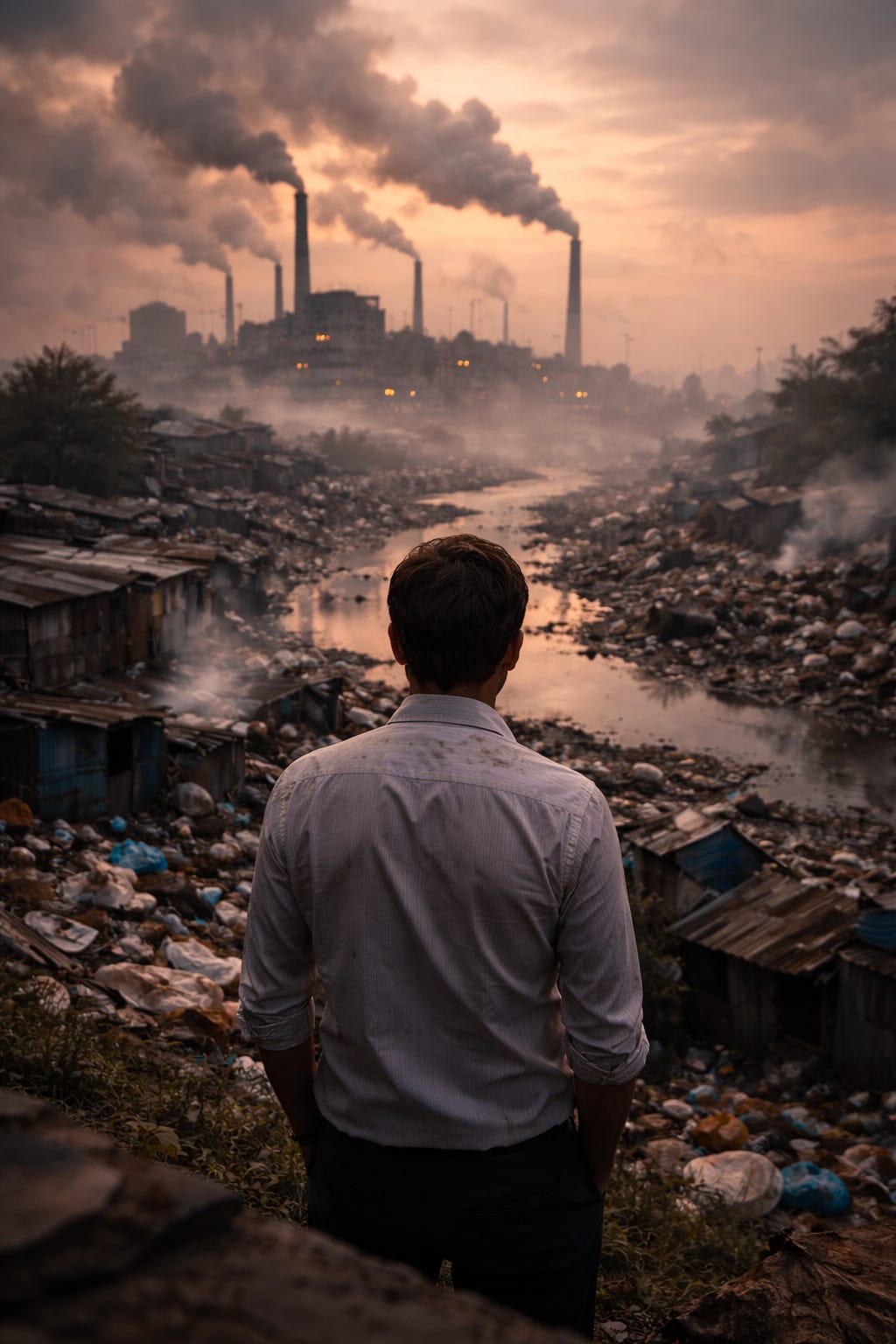
We like to believe we do not know what we are doing.
That the systems we live under are too complex, too modern, and too unprecedented to understand their consequences. That we are reacting, not choosing. That the outcomes are accidents.
But history says otherwise.
We have already run the experiments.
We have seen what happens when speed is valued over care, when certainty is prized above understanding, when control replaces trust.
We know what kind of people those conditions tend to produce.
And we have seen the alternative too — slower, messier, more demanding paths that cultivate judgment, participation, and resilience.
Those outcomes are not mysterious. They are just harder to measure and harder to rush.
Education is one place where this knowledge should matter most. We know that when people are treated as participants, they grow capacity.
When they are treated as units to be managed, they learn compliance. Neither is accidental.
Still, we hesitate. We delay. We say the system needs an overhaul, then do nothing. Until it begins to come apart.
Not because collapse is inevitable, but because maintenance requires intention, and intention requires admitting we are responsible.
This is not about blame. It is about honesty. What we build shapes who we become. What we fund reveals what we value. What we tolerate teaches more than what we say.
So the question is not whether the future is uncertain. It always is.
The question is simpler, and harder:
Knowing what produces what — what are we choosing for tomorrow?