

For a long time, I assumed that checking something was neutral.
If a claim was made and it mattered, you looked it up. You opened a book. You searched. You tried to understand whether what you had just heard matched reality. Curiosity felt like a shared value, not a provocation.
At some point, that shifted.
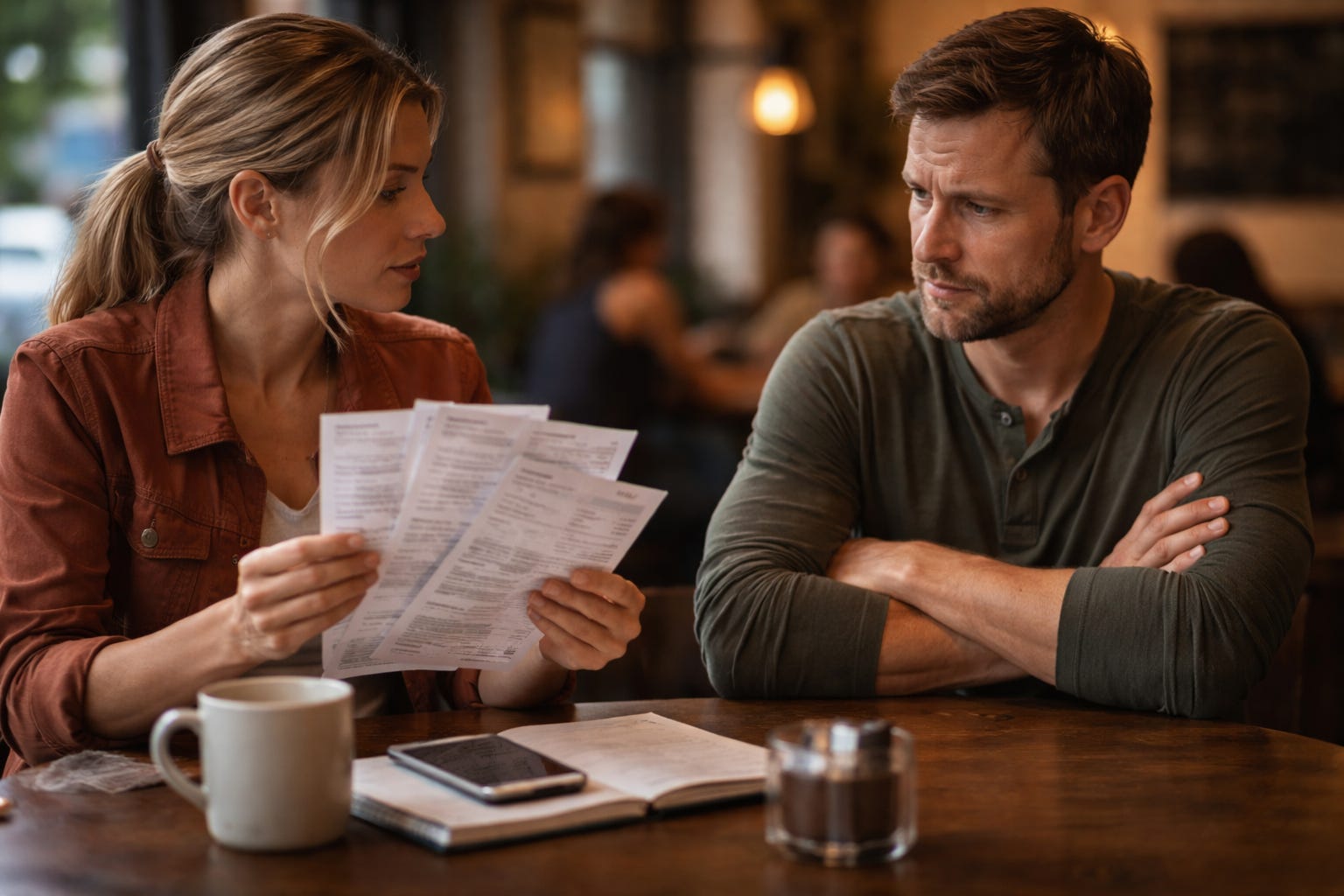
I spent a year having near-daily conversations where claims were made casually, confidently. When I paused to verify them, the reaction surprised me. It was not relief. It was not interest. It was not even disagreement.
It was offense. Not because the information was wrong, but because it was checked.
The act of looking something up became a breach. Curiosity was read as challenge. Verification felt like betrayal. The problem was not misinformation; it was that someone stepped outside the shared story.
I do not think this happened because people stopped caring about truth. I think something else took its place. Belonging became more important than accuracy. Alignment mattered more than examination. Being “with” someone carried more weight than being correct.
In that environment, facts are not debated - they are experienced as threats. Not because they are harmful, but because they disrupt cohesion. Looking something up interrupts the flow. It breaks the spell of the alternative tale.
What stayed with me was not the claims themselves. It was the reversal. Being wrong was not the issue. Wanting to know became the problem.
I’m still trying to understand what happens to a culture when curiosity is treated as disloyalty, when attention itself feels unsafe, and when learning the truth costs more socially than believing the lie.